Global Japanese Comfort Recipes
Highlighted under: Global Flavors
Experience the warmth and comfort of Japanese cuisine with these delightful recipes that bring a taste of Japan to your kitchen.
Japanese cuisine is known for its comforting dishes that not only satisfy the palate but also warm the soul. From hearty ramen to savory curry rice, these recipes are perfect for any occasion.
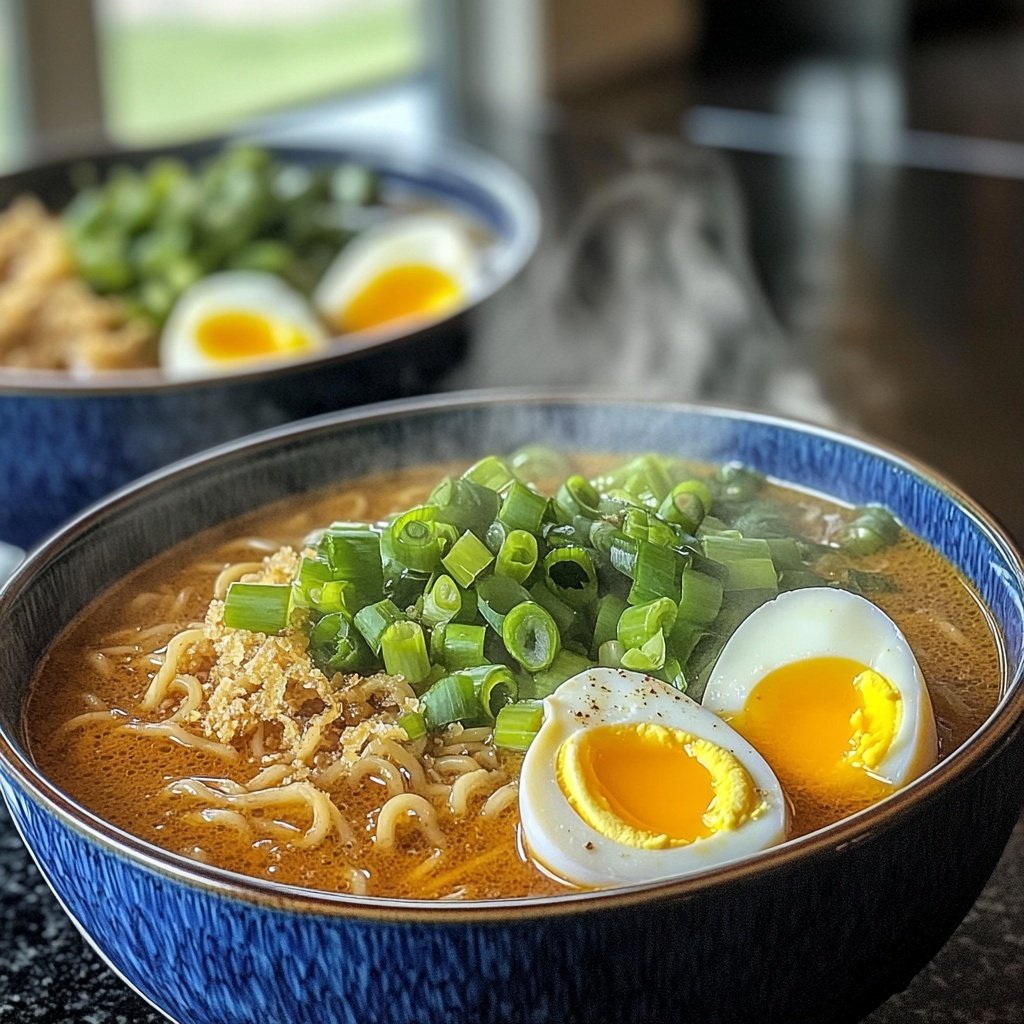
Why You Will Love This Recipe
- Rich umami flavors that tantalize the taste buds
- Heartwarming dishes that bring comfort and joy
- A fusion of traditional and modern Japanese cooking
The Essence of Japanese Comfort Food
Japanese comfort food is a celebration of warmth and nostalgia, often evoking memories of home-cooked meals shared with family. At the heart of these dishes lies a deep appreciation for fresh ingredients and umami flavors that create a satisfying experience. From the savory broth of ramen to the hearty richness of curry rice, these recipes embody the spirit of Japanese cuisine, making them perfect for any occasion.
In Japan, comfort food is not just about nourishment; it’s about the emotions attached to each meal. Whether it’s a rainy day or a joyous gathering, these dishes bring people together. The simplicity of ingredients, coupled with the complexity of flavors, ensures that every bite is filled with love and care. Enjoying a bowl of ramen or a plate of curry rice is an invitation to slow down and savor life’s little moments.
Fusion of Tradition and Modernity
Japanese cuisine is a beautiful blend of tradition and innovation. While the roots of these comfort recipes lie in age-old practices, modern interpretations add exciting twists that cater to contemporary palates. For instance, ramen has evolved from its humble beginnings into a global phenomenon, with chefs experimenting with various broths, noodles, and toppings to create unique flavor profiles.
Similarly, Japanese curry rice has become a staple in homes around the world, transcending borders and inspiring countless variations. This adaptability highlights the versatility of Japanese cooking, making it accessible and appealing to diverse audiences. Embracing both traditional and modern techniques allows home cooks to explore their creativity while staying true to the essence of Japanese flavors.
Cooking with Love and Mindfulness
Cooking Japanese comfort food is not just about following a recipe; it’s about infusing love and mindfulness into every step. The process of preparing these dishes encourages a connection to the ingredients and the act of cooking itself. Taking the time to chop vegetables, simmer broth, or craft the perfect soft-boiled egg can be a meditative experience, allowing you to appreciate the journey as much as the destination.
Moreover, sharing these meals with family and friends enhances the joy of cooking. Whether it’s a cozy dinner at home or a festive gathering, serving a warm bowl of ramen or a plate of curry rice creates a sense of community and togetherness. This is the true essence of Japanese comfort food: it nourishes not only the body but also the soul.
Ingredients
Gather all the ingredients before you begin cooking to ensure a smooth process.
Ingredients for Ramen
- 4 cups chicken broth
- 2 packs ramen noodles
- 1 cup sliced mushrooms
- 2 green onions, chopped
- 2 soft-boiled eggs
- Soy sauce to taste
- Nori sheets for garnish
Ingredients for Japanese Curry Rice
- 1 lb chicken, cubed
- 2 carrots, sliced
- 1 onion, chopped
- 2 cups water
- 1 pack Japanese curry roux
- Cooked rice for serving
Make sure to check if you have all ingredients ready before you start cooking.
Instructions
Follow these steps for a delicious Japanese comfort meal.
Prepare the Ramen
- In a pot, bring chicken broth to a boil.
- Add mushrooms and cook for 5 minutes.
- Cook ramen noodles according to package instructions and drain.
- Combine noodles with broth and add soy sauce.
- Top with green onions and soft-boiled eggs.
- Serve with nori sheets on the side.
Make the Japanese Curry Rice
- In a large pot, sauté onions until translucent.
- Add chicken and cook until browned.
- Add carrots and water; bring to a boil.
- Stir in the curry roux and simmer until thickened.
- Serve over cooked rice.
Enjoy your comforting Japanese meal with family and friends!
Pro Tips
- For extra flavor, marinate the chicken in soy sauce before cooking.
Tips for Perfecting Your Ramen
To achieve the best ramen, focus on the broth. Using homemade chicken broth can elevate the dish significantly, allowing for richer flavors. If you're short on time, store-bought broth works as a great alternative. Remember to adjust the soy sauce according to your taste, as this will enhance the umami experience. Additionally, experiment with toppings like bamboo shoots or sesame seeds for added texture and flavor.
Don't forget the noodles! Cooking them separately ensures they maintain their perfect texture and don’t become mushy in the broth. For an authentic touch, consider using fresh ramen noodles instead of the instant variety, as they offer a delightful chewiness and absorb the broth beautifully.
Mastering Japanese Curry Rice
When making Japanese curry rice, the quality of the curry roux plays a crucial role in the final flavor. Opt for a good brand that suits your spice preference—some are milder while others pack a punch. You can also customize your curry by adding seasonal vegetables like potatoes or bell peppers for additional nutrition and flavor variety.
For a richer taste, allow the curry to simmer longer, which helps develop deeper flavors. Serve the curry over fluffy, hot rice for the perfect meal. Pairing it with pickled vegetables or a side salad can provide a refreshing contrast to the hearty dish.
Reimagining Comfort Food
As you explore these recipes, don’t hesitate to make them your own! Feel free to swap out proteins, such as using tofu for a vegetarian option or experimenting with different vegetables in your curry. The beauty of these dishes lies in their adaptability, allowing you to cater them to your dietary preferences and tastes.
Additionally, consider pairing your ramen or curry rice with traditional Japanese side dishes, such as edamame or miso soup, to create a more complete dining experience. This not only enhances the meal but also introduces you to the diverse flavors of Japanese cuisine.
Questions About Recipes
→ Can I use vegetable broth instead of chicken broth?
Yes, vegetable broth can be used for a vegetarian version of ramen.
→ How long can I store leftovers?
Leftovers can be stored in the refrigerator for up to 3 days.
→ Can I make these recipes gluten-free?
Yes, use gluten-free noodles and curry roux for gluten-free options.
→ What can I substitute for soft-boiled eggs?
You can omit the eggs or use hard-boiled eggs as a substitute.
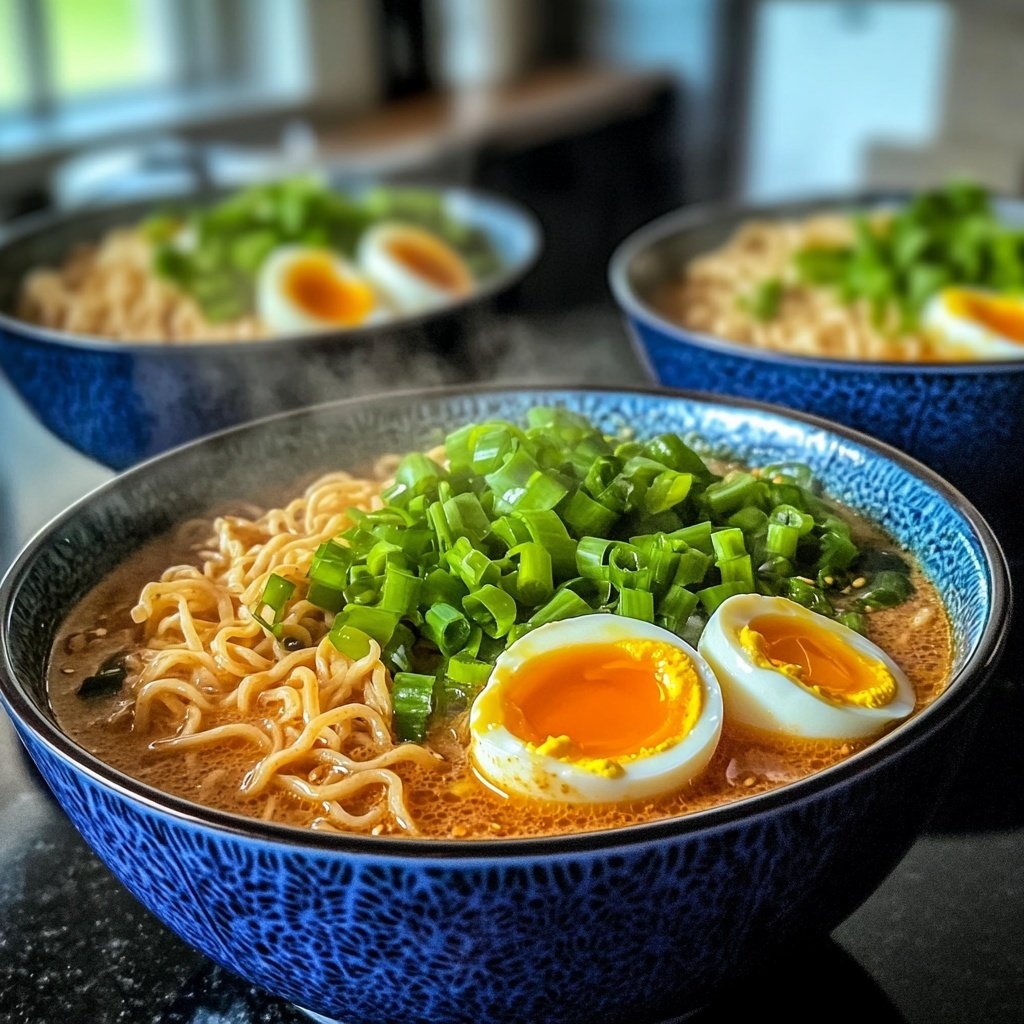
Global Japanese Comfort Recipes
Created by: The Epicurelane Team
Recipe Type: Global Flavors
Skill Level: Intermediate
Final Quantity: Serves 4
What You'll Need
Ingredients for Ramen
- 4 cups chicken broth
- 2 packs ramen noodles
- 1 cup sliced mushrooms
- 2 green onions, chopped
- 2 soft-boiled eggs
- Soy sauce to taste
- Nori sheets for garnish
Ingredients for Japanese Curry Rice
- 1 lb chicken, cubed
- 2 carrots, sliced
- 1 onion, chopped
- 2 cups water
- 1 pack Japanese curry roux
- Cooked rice for serving
How-To Steps
- In a pot, bring chicken broth to a boil.
- Add mushrooms and cook for 5 minutes.
- Cook ramen noodles according to package instructions and drain.
- Combine noodles with broth and add soy sauce.
- Top with green onions and soft-boiled eggs.
- Serve with nori sheets on the side.
- In a large pot, sauté onions until translucent.
- Add chicken and cook until browned.
- Add carrots and water; bring to a boil.
- Stir in the curry roux and simmer until thickened.
- Serve over cooked rice.
Extra Tips
- For extra flavor, marinate the chicken in soy sauce before cooking.
Nutritional Breakdown (Per Serving)
- Calories: 450 kcal
- Total Fat: 15g
- Saturated Fat: 3g
- Cholesterol: 195mg
- Sodium: 1200mg
- Total Carbohydrates: 55g
- Dietary Fiber: 3g
- Sugars: 6g
- Protein: 25g